The Bedding Edit
A Practical Guide to Choosing Sheets for Organic Bedding
The quiet luxury of a well-made bed begins with the layer closest to the skin. For organic bedding, the best sheets balance a pleasing hand-feel with a secure fit, thoughtful materials, and a care routine you can maintain.
Sheets do more than finish a bedroom. They frame the mattress, shape the first impression of comfort, and influence how warm or cool the bed feels through the night. When you are building an organic sleep setup, the choice can seem especially considered: there are fibers to compare, weaves to understand, labels to interpret, and measurements to check. Yet the decision need not be complicated. Start with how you sleep, what feels good to you, and how much care you are realistically willing to give your bedding.
Organic bedding is not a single look or sensation. A crisp cotton percale sheet, a fluid sateen set, and a textured linen cover may all suit different rooms and sleepers. The word “organic” describes how a fiber was produced under a particular standard; it does not tell you whether the fabric will feel smooth, substantial, cool, or relaxed. For that, you need to consider the fiber itself, the weave, the finish, and the construction.
This guide sets out a practical way to compare organic sheets without getting lost in marketing language. Think of it as a wardrobe edit for the bed: choose the pieces that work with your mattress, your preferred sleep climate, and the rhythm of your household.
Begin with the feeling you want
Before comparing labels or thread counts, picture the surface you want to meet at bedtime. Do you like a cool, crisp sheet with a little structure? A smooth, silky drape? A softly rumpled finish that looks inviting straight from the wash? These are not minor preferences. The tactile character of fabric affects whether you enjoy using it, and the best choice is the one that suits your own sense of comfort.
Temperature is another useful starting point, though no sheet can control every factor that affects sleep warmth. Room temperature, mattress materials, blankets, sleepwear, and individual differences all play a part. Still, fabric weight and weave can influence how a bed feels. A lighter, more open construction may feel airy to some sleepers, while a denser fabric can feel smoother or more substantial. Rather than assuming that one material is universally “cooling,” consider the whole sleep environment and look for a sheet that feels comfortable in your usual conditions.
- For a crisp, clean feel: Cotton percale is a useful option to explore. Its plain weave gives it a matte finish and a more structured hand.
- For a smooth, supple feel: Cotton sateen has a different weave structure that often creates a softer, more lustrous surface.
- For a relaxed, textured look: Linen offers a distinctive natural texture and tends to soften with use and washing.
- For a gentle, familiar touch: Cotton jersey is knitted rather than woven, giving it a stretchier, T-shirt-like character.
These descriptions are starting points, not promises. Fiber quality, yarn, finishing, and manufacturing all affect the final result. If you are sensitive to texture, pay attention to fabric details and return policies where applicable, rather than relying on a material name alone.
Understand the fiber before the finish
Fiber content tells you what the sheet is made from. For organic bedding, cotton is a common choice because it is familiar, versatile, and available in several weaves and weights. Organic cotton refers to cotton grown and processed under the requirements of a recognized organic standard. Certification details matter: the term “organic” on its own may not explain which parts of production were assessed, or whether the finished textile was independently certified.
Other natural fibers may also appear in bedding. Linen is made from flax and is valued for its distinctive texture and relaxed appearance. It can suit people who prefer a more casual, softly lived-in bed. However, linen may feel more textured at first than smooth cotton, and its appearance is naturally less crisp. Consider whether you enjoy that character before choosing it for an entire set.
Blends can combine different properties, but the details should be clear. Read the fiber composition rather than relying on broad words such as “natural” or “eco-friendly.” If a product includes a finish or treatment, check whether the manufacturer explains what it is and why it is used. Transparent product descriptions make it easier to decide whether the sheet aligns with your priorities.
Organic certifications: what they can tell you
Certifications can help make material claims more specific, but they are not interchangeable. Some standards focus on organic fiber and processing requirements; others address chemical residues or textile safety. A certification is most useful when the seller identifies the standard, explains what it covers, and names the product or component that has been certified.
For example, a GOTS certification is associated with requirements for organic textile processing and a defined chain of custody. The exact scope depends on the standard and the certification held by the product or supply chain. Look for clear wording about whether the finished textile is certified, rather than assuming that a statement about one ingredient applies to every part of the sheet.
Certifications can support an informed choice, but they do not determine whether a sheet will feel soft, last well, or fit your mattress. They also do not replace practical checks such as fiber content, fabric construction, sizing, and care instructions. Think of a certificate as one piece of the picture—not a shortcut around reading the rest of the product details.
Weave changes the way sheets feel
Two sheets made from the same fiber can feel remarkably different because of the weave. Weave describes how the yarns cross one another to form a fabric. For shoppers comparing bedding materials, understanding this distinction is often more useful than focusing on a single headline number.
Percale
Percale uses a simple, balanced weave that typically creates a matte, crisp finish. It is often chosen by people who like a fresh, tailored bed rather than a glossy surface. Percale can feel slightly structured when new and may soften through regular use and washing. Its appeal is understated: a clean look, a light touch, and a familiar cotton character.
Sateen
Sateen has a weave structure that places more yarn surface across the face of the fabric, giving it a smoother feel and subtle sheen. Many sleepers enjoy its softness and drape. Because it can feel denser than percale, compare the weight and construction as well as the weave if temperature is a priority. Sateen is not automatically warmer or cooler in every bedroom; the overall fabric and sleep setup matter.
Linen and knitted fabrics
Linen is not simply another cotton weave; it is a flax fiber with its own texture and drape. The finished fabric can be airy and relaxed, but it may feel more tactile than smooth cotton. Jersey sheets, meanwhile, are knitted and stretch more readily. They can be comfortable and easygoing, though the way they fit and age may differ from woven sheets.
When a description uses words such as “luxury,” “cooling,” or “hotel quality,” look for the construction details behind them. A clear explanation of fiber, weave, fabric weight, finish, and care offers more useful information than a string of adjectives.
Why thread count is only one detail
Thread count refers to the number of threads counted within a specified area of fabric, but it does not tell the whole story of sheet quality. It cannot, on its own, reveal the fiber’s origin, the yarn’s quality, the weave, the finishing process, or how the fabric will feel after laundering. Numbers can be presented in ways that are difficult to compare, particularly when counting practices differ.
Use thread count as one specification among several, not as the deciding test. A well-described sheet with transparent fiber and weave information may be a better-informed choice than one promoted primarily through a very high number. Ask the more practical questions: Does the fabric suit your preferred feel? Is the construction explained? Does the fitted sheet match your mattress depth? Can you care for it as directed?
Measure your mattress for a secure fit
A sheet can be beautifully made and still disappoint if it creeps off the corners or bunches beneath you. Before ordering, confirm the mattress size and measure its height. If the bed includes a topper, mattress pad, or protector, measure the full assembled depth—not only the mattress by itself. Each additional layer changes the distance a fitted sheet must cover.
Check the manufacturer’s stated dimensions and pocket depth. “Deep pocket” is not a universal measurement, so compare the listed range with your actual mattress. Some fitted sheets specify a maximum depth; others use elastic around the full edge or only at the corners. A well-fitted sheet should stay in place without being stretched so tightly that the corners pull free or the fabric strains.
- Confirm whether your mattress is Twin, Twin XL, Full, Queen, King, or California King; these sizes are not interchangeable.
- Measure mattress length, width, and depth, including any topper or protective layer you plan to leave on the bed.
- Check the fitted sheet’s pocket-depth range and the product’s stated mattress compatibility.
- For adjustable beds or split configurations, verify whether you need separate fitted sheets or a particular size.
- After washing, follow the care label before assessing the fit; natural fibers can change slightly during laundering.
Organic cotton may shrink to some degree, depending on the fabric and how it is finished and washed. A manufacturer may account for expected shrinkage in the dimensions, but do not assume every product is designed the same way. Read the sizing notes, wash before use if instructed, and avoid high heat unless the care label permits it.
Build a layered bed with intention
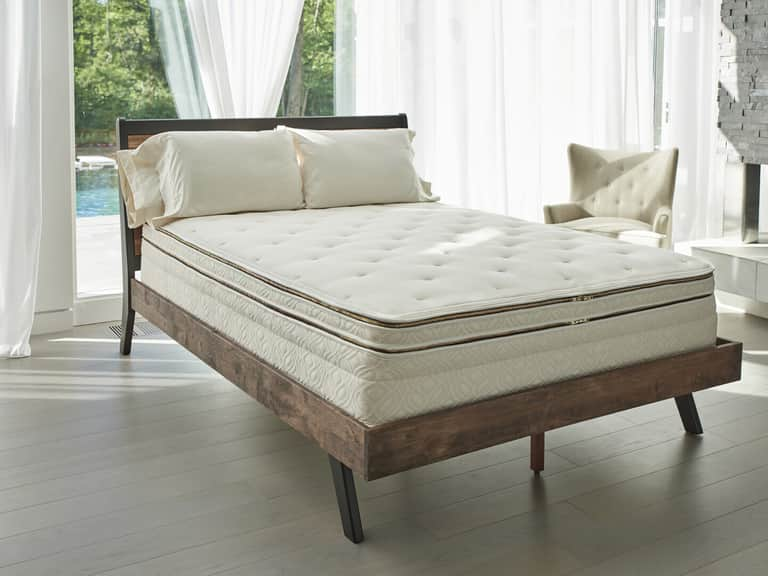
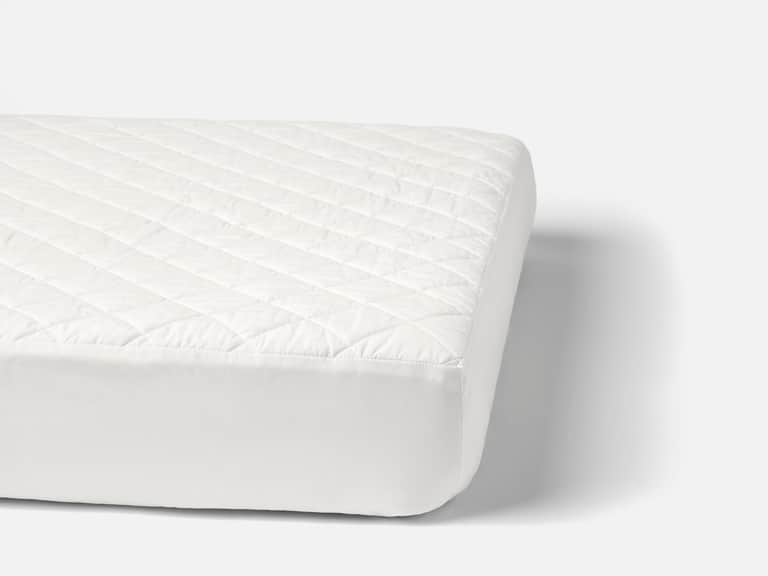
Sheets are part of a system. A mattress protector or pad can add a layer between the sheet and mattress, and that layer may affect the feel and depth of the finished bed. If you use a protective layer, include it when measuring. A fitted sheet that just fits the bare mattress may not have enough depth once a quilted pad or topper is added.
Keep the purposes of each layer distinct. A fitted sheet is the washable surface that touches the sleeper. A mattress protector is generally intended to help shield the mattress from moisture, dust, or everyday wear, while a mattress pad may add a modest degree of cushioning as well as protection. Product designs vary, so read descriptions carefully rather than assuming a particular item performs every function.
The goal is not to add layers for their own sake. Choose only what your bed needs, and check that each component works with the others. A breathable sheet over an overly thick or poorly fitted stack may not feel as comfortable as a simpler arrangement. In a nursery, follow the crib mattress and bedding guidance relevant to the child’s age, and prioritize a secure fit and safe sleep recommendations.
Make care part of the buying decision
Care instructions are easy to overlook when a new sheet is folded neatly on a shelf. They become much more important after the first wash. If you want bedding that can be washed frequently and dried quickly, choose a fabric and construction that suit your household routine. If a sheet requires a gentler cycle, low heat, line drying, or special handling, consider whether that will be practical week after week.
Always follow the instructions on the product label. In general, washing with like colors and using a detergent suited to the fabric can help maintain appearance. Avoid using bleach, fabric softener, or high dryer heat unless the manufacturer says they are appropriate. Such products and settings may affect color, absorbency, texture, or the useful life of a textile. Do not rely on generalized advice when the care label gives specific directions.
For organic cotton, a gentle wash and restrained drying temperature are common recommendations, but care varies by construction and finish. Linen may be designed to keep a more relaxed appearance and may not need the same pressing routine as crisp percale. Wash new bedding before use if the instructions recommend it, and allow enough room in the machine for sheets to move freely. Overloading can contribute to uneven washing and drying.
A considered checklist for choosing sheets
Before you settle on a set, pause over a few practical questions. The answers will narrow the field more effectively than chasing a trend or a single specification.
- What feel do I prefer? Crisp, smooth, textured, or stretchy?
- What fiber is used? Is the full composition clearly stated?
- Which weave or construction is described? Can I connect it to the feel I want?
- What does the certification cover? Is the standard and its scope explained?
- Will the fitted sheet fit my complete bed? Have I included mattress pads and toppers in the depth measurement?
- Can I manage the care instructions? Does the routine suit my schedule and laundry setup?
- Is the information specific? Are dimensions, materials, origin, and care presented clearly enough to compare?
Common buying mistakes to avoid
Choosing by thread count alone. A number does not tell you whether the fabric has the right hand-feel, fit, or care needs. Compare the complete construction.
Assuming all organic sheets feel alike. Organic status does not prescribe a single texture. Fiber, weave, yarn, and finishing shape the experience.
Forgetting the protective layers. A mattress pad or topper can increase bed depth and make an otherwise correct fitted sheet too shallow.
Reading a label too quickly. Certification names and material claims are most meaningful when their scope is clear. Look for specifics rather than relying on broad promises.
Ignoring the laundry routine. A sheet that requires care you will not realistically provide may become a source of frustration. Choose for the life you actually live.
The best organic sheets are the ones you enjoy using
Choosing sheets for organic bedding is a matter of balancing values with everyday comfort. Start with the sensation you like, compare the fiber and weave, check what any certification actually covers, and measure the entire bed before choosing a size. Then read the care instructions with the same attention you give the fabric description.
There is no universal sheet that suits every sleeper or every bedroom. A crisp percale set may feel just right to one person; another may prefer the smooth drape of sateen or the relaxed texture of linen. What matters is a clear understanding of what you are buying and how it will function in your home. When fit, feel, materials, and care align, the result is less about a decorative finish and more about a bed that feels inviting, night after night.