Comprehensive Guide to Waterproof Mattress Protectors: Materials, Performance, and Care
Explore how waterproof mattress protectors work, the materials that power them, and how to choose one that balances dryness, breathability, and comfort. This guide offers practical care tips, longevity strategies, and a nuanced look at how different designs perform across mattress types and sleeping preferences.
Understanding Waterproof Mattress Protectors: What They Do and Why They Matter
Waterproof mattress protectors are more than simple spill shields. They are engineered layers that shield your mattress from moisture, stains, allergens, and everyday wear while remaining mindful of comfort and breatheability. At their core, they consist of a fabric top layer, a waterproof barrier, and a bottom or backing layer that anchors the protector to the bed. The science behind these protectors hinges on balancing three core priorities: dryness, breathability, and a natural, unobtrusive feel under the sheets.
A high-quality protector should keep liquids at bay without creating a damp, stuffy, or crinkly night experience. The best designs hide the waterproofing beneath soft fabrics, and employ membranes or coatings that permit moisture vapor to escape while preventing liquid intrusion. When you lie down on the bed, you should barely notice the protection, only the sense of security that comes with clean, dry sleep.
Materials: Membranes, Coatings, and Fabrics
The material landscape for waterproof protectors includes several prominent technologies, each with its own pros and trade-offs. Understanding these options helps you tailor protection to your needs, whether you’re a parent protecting a crib mattress, a hot sleeper seeking breathability, or someone with sensitivities to chemicals.
-
Polyurethane membranes: A common choice for the waterproof barrier, polyurethane is known for durability, flexibility, and a relatively thin profile. It creates a moisture barrier that is typically breathable enough for most sleepers, though some ultralight or reactive sleepers may notice a slight difference in airflow compared to fully textile-backed options.
-
TPU (thermoplastic polyurethane) coatings: TPU coatings are another robust option, often used in organic or natural fabric constructions. They can offer excellent moisture protection with good breathability while staying quiet. TPU-backed protectors are a favored choice for those who want to minimize chemical exposure and still maintain performance.
-
Latex-backed fabrics: A select group of protectors uses a latex backing to deliver waterproof performance. Latex can be highly effective, but it may be less common due to sensitivity considerations for some sleepers and for allergy-conscious households.
-
Quilted fabrics and knit tops: The fabric top layers can be cotton, cotton blends, or other natural fibers with a soft quilting pattern. These tops provide a comfortable touch and help the protector feel more like a standard sheet, smoothing out the barrier so it reads as a breathable, plush layer.
Protection Levels: What to Expect
Protection levels vary by product, but most waterproof protectors offer a two-layer or three-layer construction designed to repel liquids while preserving surface comfort. The level of protection you need depends on your lifestyle, the mattress type, and the room environment.
- Everyday protection: Basic moisture barrier suitable for spill protection, pet accidents, and occasional dampness. Often paired with breathable top fabrics to minimize heat buildup.
- Allergen protection: Some designs emphasize mite and allergen resistance, combining the waterproof barrier with tightly woven, breathable outer fabrics that deter dust and dander while maintaining comfort.
- Baby and crib protection: Crib and toddler protectors prioritize ultra-clean fabrics, GOTS-certified materials, and quiet, gentle textures suitable for a baby’s delicate environment.
- Heavy-duty protection: For households with frequent spills, pets, or high humidity, thicker membranes with reinforced backing offer robust moisture control while balancing breathability.
Compatibility: Mattress Type, Depth, and Fit
A protector should work seamlessly with your mattress type—memory foam, latex, pillow-top, or spring—without altering the feel of your sleeping surface too aggressively. Look for fit features like deep pockets and elasticized skirts that secure the protector in place, ensuring it remains flat and prevents folds that could harbor moisture or discomfort.
Depth compatibility matters: most protectors are designed to fit a range of depths, from standard to plush and beyond. A well-fitted protector reduces shifting, crinkling, and bunching, and preserves the intended feel of your mattress while extending its life.
Care and Longevity: How to Maintain Dryness and Comfort
Care instructions vary by brand but share common principles: regular washing to remove sweat and oils, careful drying to preserve the waterproof barrier, and avoiding harsh detergents that can degrade membranes over time. The objective is to maintain both barrier integrity and fabric softness so the protector remains comfortable to sleep on and easy to care for.
- Follow the manufacturer’s washing guidelines. Most protectors tolerate machine washing in cold or warm water and should be dried on low heat or line-dried to protect the membrane.
- Avoid high-heat drying and bleach, which can degrade waterproof layers or fabrics over time.
- Pre-treat stains promptly with gentle stain removers that are compatible with waterproof membranes, then launder as directed.
- Inspect periodically for signs of wear, such as thinning membranes, cracking, or pilling on the top fabric, and replace if performance diminishes.
Brand Perspectives: What Top Brands Focus On
When evaluating waterproof mattress protectors, several established brands emphasize thoughtful construction, material safety, and longevity. Big names in the bedding world often highlight certifications, fabric purity, and performance benchmarks that matter for sensitive sleepers and families alike.
Key questions to ask manufacturers include: What materials compose the waterproof barrier? Is the membrane free of PVC, phthalates, and harmful off-gassing? What is the warranty coverage? How does the protector fare in long-term wash cycles, and is the fabric breathable enough for all-season comfort? These considerations help consumers align protection with comfort, cleanliness, and sustainability goals.
Product Spotlight: A Peek at Real Offerings
Among the contemporary offerings that exemplify thoughtful waterproof design are protectors featuring GOTS-certified organic cotton tops, latex- or TPU-backed membranes, and finish details that minimize noise under sheets. While each product line has its unique strengths, the common thread is a commitment to dryness, comfort, and durable construction that respects the sleep environment.
In this context, consider how a protector designed with a soft, natural top layer and a discreet waterproof barrier can support a bedding system—especially for households seeking a balance between performance and a refined sensory experience. A well-chosen protector can become an unobtrusive, trusted part of your nightly ritual, providing peace of mind without compromising the night’s comfort.
Questions to Consider When Shopping
- What is the exact waterproof material and its composition? Are there certifications or safety standards noted (e.g., Oeko-Tex, Greenguard)?
- Is the top fabric breathable, and does it feel soft against the skin?
- What are the care instructions, and is the protector machine washable?
- Does the protector fit deep-pocket mattresses, and is the skirt elastic enough to stay in place?
- What is the warranty or return policy, and what does it cover?
A Vogue-Style Guide to Incorporating Waterproof Protectors into Your Bedroom Aesthetic
In the world of sleep, the sensorial is never merely functional; it is a statement of care, taste, and everyday luxury. A waterproof mattress protector, when chosen with intention, becomes a quiet hero—fashioned not for show but for the enduring drama of a good night’s sleep. The best protectors vanish beneath your sheets, letting the texture of your mattress and the softness of your linens take center stage, while dryness and cleanliness perform in the backdrop.
Think of a protector as a delicate foundation for your sleep environment: the canvas on which your mattress, sheets, and pillows are arranged. The right membrane—soft, unobtrusive, and highly effective—lets you layer comfort with confidence. Materials like organic cotton tops speak to a commitment to natural textures, while modern barriers ensure that spills and allergens stay where they belong—on the protector, not on the mattress beneath.
Product Mention: Organic Crib Mattress Pad as a Related Choice
While this guide centers on waterproof protectors for adult mattresses, the care principles and material mindfulness extend to every tier of bedding. The Organic Crib Mattress Pad, for example, demonstrates how premium organic cotton and GOTS certification translate into practical use for even the smallest sleep surfaces. If you’re nurturing a baby’s sleep space, a crib pad that prioritizes breathability and chemical safety is essential, paralleling the same design philosophy that guides adult protectors: performance without compromise.
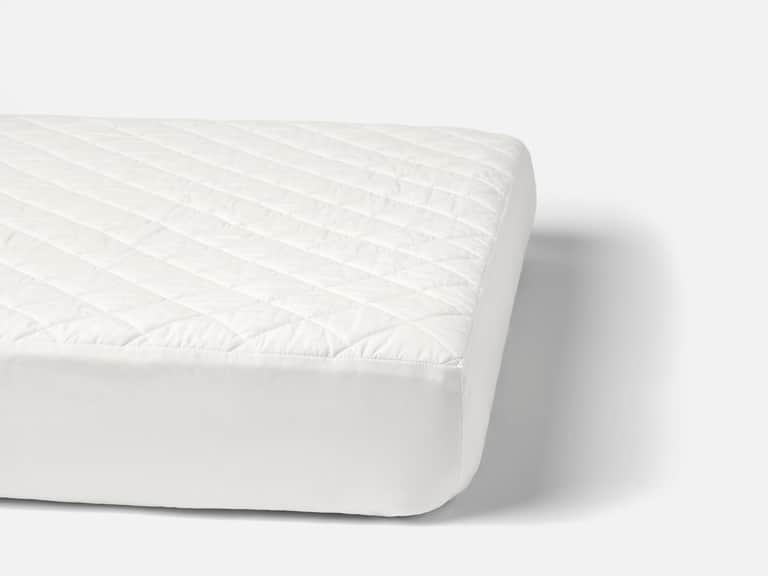
Product spotlight: Organic Crib Mattress Pad by Coyuchi—100% organic cotton inside and out, two-inch quilted squares, and a 220-count percale cover. While designed for cribs, its approach to material safety and comfort echoes broader protector principles: safety, softness, and straightforward maintenance.
Conclusion: Choosing the Right Waterproof Protector for Your Sleep Eden
A waterproof mattress protector is more than a practical purchase—it is a decision about your nightly ecosystem. It signals a commitment to dryness, a serene sleeping climate, and the long life of your mattress. The best protectors balance a quiet touch with formidable barrier performance, delivering a sleep experience that feels effortless and luxurious.
As you navigate options, prioritize materials, certifications, fit, and care. Seek clarity on the exact membrane technology, confirm that the top fabrics feel comfortable against the skin, and verify that the product can withstand the realities of your household—whether you have children, pets, or simply a preference for a pristine sleeping surface. When you find a protector that aligns with your bedding aesthetic, you’ll have a sleeping ally that performs quietly, day after day, night after night.
Key Takeaways
- Waterproof mattress protectors are designed to block liquids while preserving breathability and comfort. Materials like polyurethane membranes and TPU coatings are common choices, each with distinct feel and performance.
- Fit and depth compatibility matter. A good protector stays in place, minimizes crinkling, and preserves mattress feel, especially on deeper or plush mattresses.
- Care matters. Follow manufacturer guidelines, avoid high heat, and use appropriate detergents to maintain barrier integrity and fabric softness.
- Consider certifications and safety standards. Opt for protectors with certifications that align with your values around chemical safety and environmental impact.
Related Resources and Further Reading
For readers exploring a broad spectrum of sleep environment optimization, consider resources that address care beyond protectors—mattress toppers, sheets, and pillows—paired with strategies for sleep hygiene, temperature control, and noise/lighting decisions. Building a cohesive sleep environment amplifies the benefits of any single product and elevates the overall nightly ritual.
Product Spotlight: Selected Offerings on This Site
Organic Crib Mattress Pad
Coyuchi • 100% organic cotton, GOTS certified
A pure, breathable foundation for baby's sleep, with a 2-inch quilted square design and a 220-count percale cover. An excellent reference point for the importance of material safety and clean design that translates into everyday comfort.
Price: 148.00
Vispring Lux Skirted Mattress Protector
Vispring • Pure organic cotton with wool fill
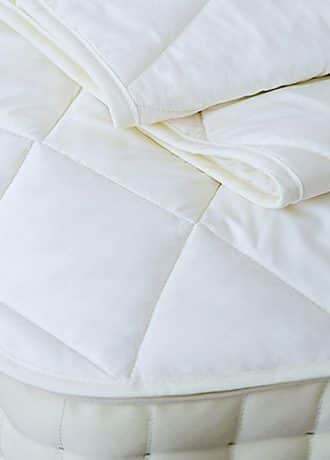
A timeless, breathable cover with a fully elasticated skirt, designed to protect and elevate the sleep experience with understated luxury.
Price: 615.00